Your form has been submitted. We'll contact you in 24 hours.
Close
Home/Blog/Which platform supports assigning separate IP pools after login?
Which platform supports assigning separate IP pools after login?
PYPROXY·Jun 30, 2025
When it comes to managing and optimizing online resources, one key factor that often comes into play is the management of IP addresses. Many platforms, especially in the fields of data scraping, online security, and cloud computing, allow users to access independent IP pools once logged in. This feature is crucial for businesses and developers who need to manage their operations without the constraints of shared or dynamic IP addresses. Independent IP pools offer a higher degree of flexibility, privacy, and security, making them an essential tool in various online operations.
Understanding IP Pools and Their Importance
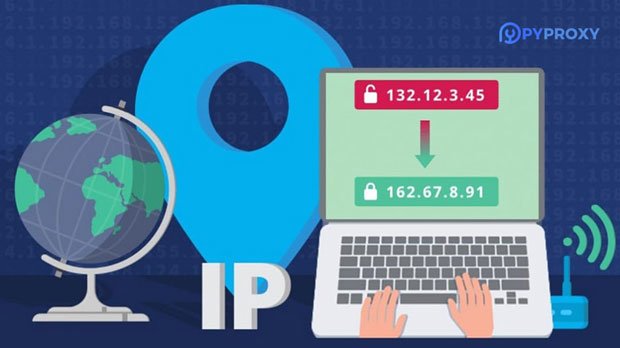
An IP pool refers to a range of IP addresses that a platform or service allocates for use by users, applications, or devices. IP pools can be static (fixed) or dynamic (changing periodically). Independent IP pools refer to a set of IP addresses assigned exclusively to a particular user or organization, providing more control and stability over online operations.
The importance of independent IP pools cannot be overstated. For example, in web scraping, using a shared IP pool could result in IP blocks if multiple users are accessing the same websites simultaneously. In contrast, an independent IP pool allows a user to distribute requests across different IPs, thus minimizing the risk of detection and blocking. Similarly, for businesses relying on data collection, independent IPs ensure that their data gathering efforts are not disrupted by IP-based restrictions.
Why Independent IP Pools Matter for Businesses
Independent IP pools offer several benefits that make them highly valuable for businesses in various sectors. These benefits include:
1. Enhanced Security and Privacy
Using an independent IP pool ensures that a business's online activities are not tied to a shared network of IP addresses, which may expose sensitive data or operations. With exclusive IP addresses, it is easier to implement firewalls, encryption, and other security measures to safeguard data.
2. Reduced Risk of IP Bans and Blacklisting
Shared IP pools often lead to a higher risk of IP bans, especially when other users engage in activities that violate the platform's terms of service. Independent IPs significantly reduce the chances of IP bans, as the platform assigns a unique set of addresses for each user.
3. Optimized Web Scraping and Data Collection
For companies involved in web scraping or data collection, the ability to use independent IP pools is essential. It enables them to distribute their requests across various IP addresses, reducing the likelihood of detection and blocking by websites. This improves the success rate of data extraction tasks.
4. Improved Performance for Cloud Services
In cloud services, especially those involving virtual machines (VMs) or dedicated servers, the assignment of independent IPs ensures smoother operations. Users are less likely to face throttling or bandwidth restrictions that often accompany shared IPs. This leads to faster data transfers, more reliable uptime, and improved overall performance.
Platforms Offering Independent IP Pool Allocation After Login
Several platforms cater to businesses and developers by offering the feature of independent IP pool allocation after login. These platforms are particularly popular among those involved in web scraping, cloud computing, and online security. Below are some key platforms that provide this feature:
1. Cloud Providers
Leading cloud service providers, such as those offering Infrastructure as a Service (IaaS), allow users to allocate independent IP pools. These platforms enable businesses to create virtual machines or cloud instances with dedicated IP addresses, ensuring that each virtual environment operates on a unique IP set. Users can configure their IP addresses according to their needs, whether for web scraping, security, or high-performance cloud computing.
2. Web Scraping Services
Some specialized web scraping services offer the option to allocate independent IP pools after login. These platforms are designed to support users in collecting large volumes of data from websites without encountering IP-related issues. By offering independent IP pools, these services help users avoid detection, minimize the risk of bans, and increase the overall efficiency of scraping operations.
3. VPN Providers
Virtual Private Network (VPN) services that cater to businesses and organizations often provide the ability to assign independent IP pools. This feature is particularly useful for businesses requiring secure and private connections to remote servers or networks. VPNs that allocate independent IP pools can help businesses avoid issues related to shared IPs, such as slower speeds or security vulnerabilities.
4. Proxy Services
Many proxy service providers also offer independent IP pool allocation. Proxies act as intermediaries between users and the websites they visit, helping to mask the user's real IP address. By assigning independent IP pools, proxy services give users more control over their internet traffic, enhancing security and privacy.
Practical Applications of Independent IP Pools
The ability to use independent IP pools has numerous practical applications across various industries. Below are a few examples of how businesses and developers can benefit from this feature:
1. Data Mining and Analysis
Independent IP pools are invaluable for companies involved in data mining or market analysis. By utilizing multiple IP addresses, businesses can collect data from various sources without triggering anti-scraping mechanisms or getting blocked by websites. This ensures continuous and uninterrupted access to critical information, which can be used for business intelligence.
2. Enhanced E-commerce Operations
E-commerce businesses that rely on competitor price monitoring, product listings, or inventory management can also benefit from independent IP pools. By using separate IPs for different tasks, they can avoid detection and ensure that their automated systems can function smoothly without being flagged for suspicious activity.
3. SEO and Digital Marketing
Independent IP pools are also crucial for SEO and digital marketing agencies. For tasks such as rank tracking, backlink analysis, and SEO audits, using independent IP addresses ensures that automated tools can operate without being penalized by search engines. It also helps avoid IP-based restrictions imposed by certain tools or platforms.
Conclusion: The Value of Independent IP Pools
In conclusion, independent IP pools are an essential resource for businesses and developers across various industries. They offer enhanced security, privacy, and reliability while minimizing the risks associated with IP bans and blacklisting. By providing the ability to allocate independent IPs after login, several platforms ensure that their users can carry out their operations more effectively and efficiently. Whether for cloud computing, web scraping, or digital marketing, independent IP pools play a critical role in modern online operations, enabling businesses to navigate the digital landscape with greater freedom and confidence.