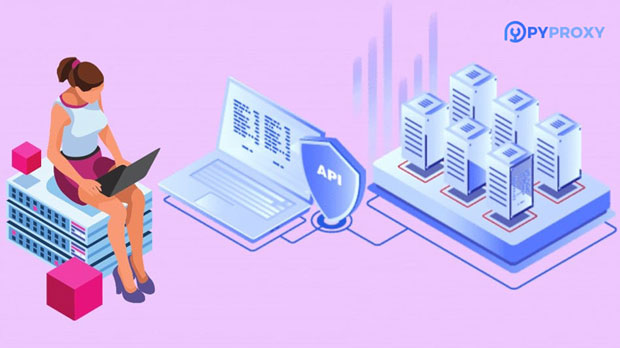
Quantum encryption technology has made significant strides in recent years, promising to revolutionize data protection and security systems. As proxy ip services are increasingly used for privacy protection and data masking, understanding the potential impact of quantum encryption on their security is crucial. Quantum encryption leverages the principles of quantum mechanics to enhance cryptography, making traditional encryption methods more vulnerable to breaches. This article delves into how quantum encryption might influence the security of proxy ips, examining both the positive potential and the challenges it poses for future privacy strategies. Introduction to Quantum Encryption and Proxy IP SecurityIn the world of digital security, proxy IPs serve as an essential tool to mask a user's real IP address and provide privacy online. However, the increasing sophistication of cyberattacks and the rise of quantum computing pose new challenges. Quantum encryption technology, which uses quantum keys and quantum entanglement to encrypt data, holds the potential to transform security measures across industries, including proxy IP services.Quantum encryption works on the premise that observing a quantum system disturbs its state, thereby preventing eavesdropping. This could theoretically make communication systems much more secure. However, the rapid development of quantum computing brings a new set of risks to traditional cryptographic techniques, including the encryption methods used by proxy IP services.Impact of Quantum Encryption on Proxy IP SecurityQuantum encryption presents both promising opportunities and substantial risks for the security of proxy IPs.1. Increased Resistance to Conventional Attacks: The implementation of quantum encryption could enhance the security of proxy IP services against conventional hacking attempts. Classical encryption algorithms, such as RSA or AES, rely on computational difficulty for their security. However, quantum computers could break these algorithms by using quantum algorithms like Shor’s algorithm, making traditional encryption methods obsolete. Quantum encryption provides a higher level of resistance against such breaches by using quantum key distribution (QKD) to ensure secure key exchanges.2. Real-Time Security in Proxy IP Networks: One of the major advantages quantum encryption brings to proxy IP security is the ability to establish real-time, unbreakable secure connections. The ability to detect tampering during the key exchange process enables more immediate response to potential attacks, ensuring that the encrypted connection remains intact.3. Future-Proofing Proxy IP Services: With the advent of quantum computing, proxy IP services need to evolve to meet these emerging threats. Quantum encryption could provide a long-term solution to safeguard proxy IP networks, offering encryption methods that are more resilient to quantum decryption techniques. By adopting quantum-resistant algorithms, proxy IP services could effectively mitigate the risks posed by quantum computers, ensuring continued user privacy in the future.Challenges in Integrating Quantum Encryption with Proxy IP SecurityDespite the advantages, several challenges exist when integrating quantum encryption into the existing infrastructure of proxy IP services.1. Cost and Complexity of Quantum Encryption Implementation: One of the primary barriers to quantum encryption is the cost and technical complexity of implementing quantum cryptography systems. Unlike traditional encryption, quantum encryption requires advanced hardware to generate and distribute quantum keys. The current infrastructure of proxy IP providers may not be equipped to handle this level of sophistication, leading to higher implementation costs and the need for significant technological upgrades.2. Limited Availability of Quantum Infrastructure: Quantum encryption relies heavily on the availability of quantum communication infrastructure, which is not yet widely accessible. Quantum key distribution, for instance, requires specialized equipment and infrastructure to operate effectively. Proxy IP services may find it challenging to incorporate quantum encryption into their systems if such infrastructure is not readily available or affordable.3. Interoperability Issues with Existing Cryptographic Protocols: Another challenge is the potential incompatibility between quantum encryption systems and the traditional cryptographic protocols already in use. Many existing proxy IP services use conventional encryption methods that may not be compatible with quantum encryption. This could result in operational inefficiencies and the need for significant upgrades to the security architecture of proxy IP networks.4. Quantum-Specific Security Concerns: While quantum encryption promises to be more secure than classical methods, it is not entirely immune to risks. For instance, quantum systems could be susceptible to new forms of attack that exploit the peculiarities of quantum mechanics. Additionally, the generation and distribution of quantum keys require a high level of precision, and any errors in the process could compromise the integrity of the entire encryption system.The Future of Proxy IP Security in the Quantum EraLooking ahead, the integration of quantum encryption into proxy IP services offers great potential for strengthening privacy and security. As quantum computing continues to evolve, it is likely that hybrid systems, which combine both classical and quantum encryption methods, will emerge to address the challenges and limitations of each approach.1. Development of Quantum-Resistant Protocols: Researchers are already working on developing quantum-resistant cryptographic protocols that could be integrated with existing proxy IP services. These protocols would enable proxy IP providers to safeguard their users from both classical and quantum-based threats, ensuring comprehensive protection in the post-quantum era.2. Collaborative Efforts between Quantum and Cybersecurity Experts: The successful integration of quantum encryption into proxy IP security will require collaboration between quantum physicists, cybersecurity experts, and industry leaders. By working together, they can create robust encryption systems that are not only quantum-safe but also scalable and cost-effective for large-scale use.3. Long-Term Sustainability of Proxy IP Services: As the world moves toward a quantum future, it is crucial for proxy IP providers to stay ahead of emerging trends and technological advancements. Adopting quantum encryption early on could offer a competitive advantage in the cybersecurity market, positioning these services as secure, future-proof solutions for users concerned with privacy.Quantum encryption technology presents both significant opportunities and challenges for the future of proxy IP security. While it offers enhanced protection against traditional cyber threats and provides a path forward for securing communications in the quantum age, the implementation of this technology in proxy IP networks comes with considerable technical, financial, and infrastructure-related hurdles. However, with continued research, development, and collaboration, quantum encryption could ultimately transform proxy IP security, offering more robust and resilient protection for users in an increasingly digital world.
May 30, 2025
Read story
Deploying a scalable HTTP proxy cluster using Docker allows businesses and developers to efficiently manage large amounts of web traffic while ensuring optimal performance and scalability. Docker provides a containerization solution that simplifies the management of the proxy servers in a clustered environment. This approach allows for better resource utilization, easier maintenance, and improved fault tolerance. In this article, we will explore how Docker can be leveraged to deploy a scalable HTTP proxy cluster, its advantages, and the best practices for setting it up and maintaining it effectively. Introduction to HTTP Proxy and DockerAn HTTP proxy is an intermediary server that sits between clients and the web, forwarding client requests to the web servers and returning the responses. The proxy server can provide various benefits such as load balancing, enhanced security, anonymity, and improved performance. It is particularly useful when managing high-volume traffic or when geographical distribution is required.Docker, on the other hand, is a containerization platform that enables applications to run in isolated environments called containers. These containers are lightweight and portable, ensuring that applications can run consistently across different environments. Docker's flexibility allows it to be an excellent choice for deploying scalable HTTP proxy clusters, making it easier to scale, manage, and maintain these clusters.Benefits of Using Docker for HTTP Proxy Clusters1. ScalabilityOne of the key benefits of deploying an HTTP proxy cluster using Docker is scalability. As web traffic increases, businesses need to ensure that their proxy servers can handle the load. Docker makes it easy to scale the proxy cluster horizontally by adding new containers to meet growing demand. Docker Swarm or Kubernetes can manage the orchestration of these containers, ensuring that they are distributed across multiple machines and balanced properly.2. Efficient Resource ManagementDocker containers are lightweight compared to traditional virtual machines, allowing for more efficient use of system resources. This efficiency reduces hardware costs and ensures that the proxy servers run optimally. Docker also offers fine-grained control over resource allocation, such as CPU, memory, and disk space, which is crucial in a high-traffic environment.3. Simplified MaintenanceWith Docker, each proxy server runs in its own isolated container. This isolation simplifies the process of updating and maintaining the system. When an update is required, the affected container can be replaced without impacting the rest of the cluster. Additionally, Docker's built-in versioning system ensures that the correct version of the proxy server is always running.4. Fault Tolerance and High AvailabilityBy deploying multiple proxy servers across different containers, Docker ensures that the system remains highly available even if one or more containers fail. Docker's built-in health checks and monitoring tools can automatically detect failures and restart the affected containers, maintaining the stability of the proxy cluster.5. SecurityDocker provides several security features that enhance the security of the HTTP proxy cluster. Each container runs in an isolated environment, reducing the risk of a security breach affecting the entire system. Additionally, Docker allows for fine-grained control over network configurations, ensuring that sensitive data is protected during transit.Designing a Scalable HTTP Proxy Cluster with Docker1. Choosing the Right Proxy Server SoftwareThe first step in deploying an HTTP proxy cluster is selecting the right proxy server software. There are several options available, including open-source solutions like Squid, HAProxy, and Nginx. Each of these solutions has its own strengths and weaknesses, so it’s important to choose the one that best suits your needs in terms of performance, security, and flexibility.2. Setting Up Docker ContainersOnce the proxy server software is selected, the next step is to set up Docker containers for each instance of the proxy server. Docker provides a simple way to define and configure containers using Dockerfiles. A Dockerfile contains instructions on how to build the container, including installing the proxy server software and configuring it to work with the desired settings.3. Orchestrating the Cluster with Docker Swarm or KubernetesIn order to scale the HTTP proxy cluster, you will need to use an orchestration tool such as Docker Swarm or Kubernetes. These tools manage the deployment, scaling, and monitoring of Docker containers across a cluster of machines. Docker Swarm is easier to set up and is ideal for smaller clusters, while Kubernetes is more powerful and suited for large-scale deployments.4. Configuring Load BalancingTo ensure that traffic is distributed evenly across the proxy servers, load balancing is an essential component of the cluster. Docker makes it easy to set up load balancing with tools like HAProxy or Nginx, which can distribute incoming HTTP requests among multiple proxy server containers based on various algorithms such as round-robin, least connections, or IP hash.5. Monitoring and LoggingEffective monitoring and logging are essential for maintaining the health of the HTTP proxy cluster. Docker provides several monitoring tools, such as Docker stats and third-party tools like Prometheus and Grafana, which allow you to track the performance and resource usage of the containers. Additionally, setting up centralized logging with tools like ELK Stack (Elasticsearch, Logstash, and Kibana) can help you identify and troubleshoot issues in real-time.Best Practices for Maintaining the HTTP Proxy Cluster1. Automate Deployment and ScalingAutomating the deployment and scaling of Docker containers ensures that the proxy cluster can respond to changes in traffic volume without manual intervention. Docker Compose can be used to define multi-container applications, while tools like Jenkins or GitLab CI can automate the process of deploying new containers or updating existing ones.2. Regularly Update and Patch ContainersKeeping the proxy server containers up to date is crucial for security and performance. Regularly checking for updates and patches for the proxy server software and other dependencies will ensure that your system remains secure and efficient.3. Implement Network SegmentationNetwork segmentation is a security best practice that involves dividing the network into smaller subnets. By segmenting the network, you can isolate sensitive components, such as the database or internal services, from the public-facing proxy servers. Docker provides tools to define network policies and ensure secure communication between containers.4. Perform Regular BackupsWhile Docker provides a robust system for managing containers, it is still important to perform regular backups of your configuration files and container data. Backups ensure that you can quickly restore your proxy cluster in case of a failure or disaster.Deploying a scalable HTTP proxy cluster using Docker provides several advantages, including improved scalability, resource management, fault tolerance, and security. By leveraging Docker's containerization capabilities and orchestration tools like Docker Swarm or Kubernetes, businesses can efficiently handle high volumes of web traffic while maintaining optimal performance. Following best practices such as automating deployment, regular updates, and network segmentation ensures the continued success and security of the proxy cluster, making it an invaluable tool for modern web infrastructure.
Jun 03, 2025
Read story
In the evolving world of digital card gaming, especially in the realm of proxy Magic: The Gathering (MTG) cards, multi-user isolation and access control play a crucial role in managing user interactions. Proxy Magic cards are commonly used for online MTG communities to simulate physical cards or represent custom cards without violating copyright regulations. The significance of multi-user isolation and access control in such contexts cannot be overstated, as it allows for a safe, organized, and fair gaming environment. In this article, we will delve deep into these aspects, breaking them down into various layers for a comprehensive understanding. What Is Proxy Magic Cards?Proxy Magic cards are unofficial, replica cards used by players for personal, non-commercial purposes. These cards are often created to replace rare or expensive cards in Magic: The Gathering decks or are used in digital platforms for the sake of gameplay flexibility and innovation. While proxy cards are not used in official tournaments, they offer players the freedom to experiment without the financial burden of purchasing expensive cards. As the digital environment for playing MTG grows, managing how users interact with these proxy cards becomes essential.Understanding the Importance of Multi-User IsolationMulti-user isolation refers to the principle of keeping each user's data, interactions, and experience separate from others within the same system. In the context of proxy Magic cards, multi-user isolation ensures that each player’s deck, card history, and game data remain confidential and protected from unauthorized access. For digital proxy Magic card platforms, isolation is key for several reasons:1. Data Privacy: Players must trust that their game data, including card collections, strategies, and gameplay history, will not be exposed to other users.2. Prevention of Malicious Activity: With isolated user environments, malicious actors attempting to exploit others’ game data or manipulate card systems are kept at bay.3. Fair Play: By isolating users’ game states, one player’s advantage in terms of card collection or gameplay strategies doesn’t interfere with others' experience. This promotes fairness, as no single user can see another's hidden information, such as card choices or hand movements.How Multi-User Isolation Is ImplementedImplementing isolation in proxy Magic card systems involves several technical mechanisms to ensure that each user is shielded from others:1. User Authentication and Authorization: The first layer of isolation is authentication, where users must log in securely using credentials. Once logged in, their identity is used to manage the accessibility of certain features and content. Authorization then assigns the proper permissions for each player, restricting what they can see and do within the platform. This ensures that only authorized users can access certain cards, decks, or game modes.2. Virtual Sandboxing: Another effective method for achieving multi-user isolation is virtual sandboxing. This involves creating a separate virtual space for each user, isolating them from others within the system. By doing so, the platform prevents users from accidentally or intentionally interfering with each other’s game data. Each sandbox is tailored to the specific user’s cards, deck configurations, and game statistics.3. Data Encryption: Data encryption ensures that any sensitive information shared or stored within the platform remains private. Whether it's about a player’s deck or game history, encryption adds an extra layer of security, ensuring that third parties cannot access private data even if they manage to breach the system.Access Control Mechanisms in Proxy Magic Card PlatformsAccess control is equally important in maintaining a secure and fair environment for proxy Magic cards. While isolation focuses on keeping users separate, access control determines who can interact with which resources. It regulates the flow of information and interactions within the system, ensuring that only authorized users can access certain functionalities. The primary access control mechanisms in place include:1. Role-Based Access Control (RBAC): RBAC is a popular method of access control, which assigns roles to users based on their needs and responsibilities. For example, regular players may only be allowed to view and play with a limited set of cards, while administrators may have access to more advanced functionalities, such as editing the card database or overseeing gameplay. By assigning roles, platform owners can enforce specific access levels and prevent unauthorized actions.2. Permission Granularity: More advanced proxy Magic card platforms implement fine-grained permission control. This means that access to specific cards, features, or actions within the platform can be restricted based on user roles, membership level, or even specific card sets. For instance, players in a special tournament might have access to rare proxy cards not available to general users. 3. Audit Trails and Monitoring: Access control also involves monitoring user activities to ensure that the rules are being followed. Regular audits can track user behavior, identify any suspicious activities, and help administrators take corrective actions when necessary. This mechanism also ensures accountability, making it clear who has accessed what information at any given time.Why Multi-User Isolation and Access Control Matter for Proxy Magic CardsEnsuring both isolation and proper access control brings significant benefits to proxy Magic card systems:1. Prevention of Card Duplication or Theft: By keeping users isolated and enforcing strict access control, the system reduces the risk of card theft or duplication, ensuring the integrity of each player’s collection. This is especially important when proxy cards are involved, as players do not want their custom or rare proxies to be copied by others.2. Enhanced User Experience: Players can engage more freely without the fear of interference or unfair advantages. With secure isolation, they can create their decks, experiment with strategies, and enjoy the game in a truly personalized space.3. Compliance with Platform Rules and Legal Boundaries: By isolating users and controlling access, platform administrators can also ensure that the usage of proxy cards stays within legal and ethical boundaries. This minimizes the risk of copyright infringement or exploitation of proxy cards.4. Scalability and Flexibility: Multi-user isolation and access control also contribute to the platform’s scalability. As the user base grows, the system can continue to function efficiently, allowing new users to be added without compromising the security or experience of existing players.Proxy Magic cards represent a powerful tool for enhancing the player experience in Magic: The Gathering. However, as the popularity of digital platforms grows, the need for robust multi-user isolation and access control mechanisms becomes ever more important. These features are essential for protecting players’ data, ensuring fair play, and maintaining the integrity of the platform. By implementing strong isolation protocols and access controls, developers can create secure, fair, and enjoyable gaming environments for all users, paving the way for a thriving and sustainable digital card gaming ecosystem.
Jun 11, 2025
Read story
In today’s digital era, online privacy and security have become paramount concerns for users worldwide. One of the key tools that enhance internet browsing experience and ensure better protection is the use of proxy web browser extensions and their customization options. Proxy web browser extensions offer a seamless way to hide a user's IP address, protect personal information, and bypass geographical restrictions. Customization solutions take these extensions a step further, allowing businesses and individuals to tailor proxy settings to their specific needs. This article will delve into the benefits of proxy web browser extensions, the importance of customization, and how these tools can be effectively used to secure online activities. Understanding Proxy Web Browser ExtensionsA proxy web browser extension is a software component integrated into web browsers such as Chrome, Firefox, or Safari. Its primary function is to route the user’s internet traffic through a remote server (a proxy server), which acts as an intermediary between the user and the websites they visit. This process masks the user's IP address and encrypts data, making it more challenging for third parties to track or monitor online activities.The advantages of using proxy extensions are numerous. First and foremost, they offer anonymity and privacy protection by hiding the user's real IP address. For individuals concerned about their online footprint, proxy extensions provide an essential layer of security. Furthermore, users can access websites or content that may be restricted in their region. By connecting to servers in different countries, individuals can bypass geographical restrictions and enjoy a more open and unrestricted internet.Key Benefits of Proxy Web Browser Extensions1. Privacy and Security Enhancement Proxy extensions help maintain online privacy by hiding the user’s real IP address. This means websites and advertisers cannot track browsing activities as easily. Additionally, using a proxy server encrypts the data transmission, further reducing the risk of hacking or data theft, especially when using public networks.2. Bypassing Geographical Restrictions Many websites, streaming services, or platforms restrict content based on the user’s geographical location. Proxy extensions enable users to connect to servers in different countries, effectively bypassing these geographical restrictions. This is especially useful for accessing international content on streaming platforms or for users living in countries with strict internet censorship.3. Faster Browsing Experience Although proxies generally route traffic through a remote server, certain advanced proxy extensions can also improve browsing speed by caching data. Frequently accessed content can be retrieved faster, reducing load times on websites. This is beneficial for users who rely on fast internet speeds for work or entertainment.4. Ad and Tracker Blocking Some proxy extensions include built-in ad-blockers and tracker prevention features. This reduces the number of intrusive ads and tracking scripts that slow down browsing and violate privacy. By blocking unwanted content, proxy extensions contribute to a smoother, more enjoyable online experience.Customization of Proxy Web Browser ExtensionsWhile the default proxy settings in most browser extensions are sufficient for general users, customization solutions offer businesses and advanced users the ability to fine-tune their proxy settings according to specific requirements. Customization features can range from selecting proxy servers in different countries to setting up rules for different types of websites. Below are some of the key customization options available:1. Location-Based Proxy Selection One of the most useful features of proxy extensions is the ability to choose a proxy server located in a specific country. Customization allows users to select servers in countries where access to specific content or services is needed. For instance, if a user wishes to view content restricted to users in the United States, they can choose a proxy server in the U.S. to simulate browsing from that location.2. IP Rotation Many proxy services offer IP rotation as a customization option. This feature helps maintain anonymity by frequently changing the user’s IP address while browsing. For businesses dealing with sensitive data or individuals who require high privacy levels, IP rotation prevents tracking by making it difficult for websites to associate activities with a single user.3. Custom Proxy Rules Advanced users or businesses often require a more granular level of control over their proxy configurations. With custom rules, users can set up specific proxy behavior based on different criteria. For example, certain websites can be configured to always route traffic through a proxy server, while others can be exempted. This ensures that users have flexibility in how they use proxy servers for different tasks.4. Bandwidth and Speed Management Proxy extensions can also be customized to manage bandwidth and optimize speed. For businesses that require a large amount of data transfer or fast browsing speeds, selecting proxies that offer high bandwidth or low latency can improve performance. These options can be tailored depending on the user’s needs, ensuring that browsing remains efficient and effective.Practical Applications of Proxy Web Browser ExtensionsThe customization of proxy web browser extensions is particularly valuable in several real-world scenarios. Here are some practical applications where these tools provide substantial benefits:1. Corporate Security For businesses that handle sensitive data, ensuring security and privacy is crucial. Custom proxy settings can be used to safeguard corporate networks from potential cyber threats by hiding the company’s internal IP addresses and encrypting traffic. Additionally, businesses can use proxies to limit access to internal resources, ensuring that only authorized personnel can access critical information.2. Digital Marketing and SEO Digital marketers and SEO professionals often use proxy extensions to conduct competitor analysis, monitor online activity, and perform keyword research. By using proxies, marketers can avoid being blocked or tracked by websites while accessing data from different geographical locations. Custom proxies can also help in simulating users from various regions, allowing for more accurate SEO testing and market research.3. Content Streaming Streaming services often block access to content based on a user’s location. Proxy extensions with customization options enable users to access international content by connecting to proxy servers in different regions. This is particularly beneficial for users who wish to access services like Netflix, Hulu, or BBC iPlayer, which have geographically restricted libraries.4. Bypassing Government Censorship In countries where internet censorship is prevalent, proxy web browser extensions offer a way to bypass government restrictions. By selecting a proxy server located outside the country, users can access websites and services that are otherwise blocked or heavily monitored. This helps maintain access to free and open information, especially for individuals living in authoritarian regimes.In conclusion, proxy web browser extensions, combined with their powerful customization options, offer significant benefits for enhancing online privacy, security, and accessibility. Whether you are an individual seeking to protect personal data, a business aiming to secure sensitive information, or a user trying to access restricted content, these tools provide practical solutions. Customization allows for greater control, enabling users to tailor their proxy settings to meet specific needs, whether it’s improving browsing speed, managing bandwidth, or bypassing geographical restrictions. As the digital landscape continues to evolve, proxy web browser extensions will remain an essential tool for secure and efficient online activities.
Jun 12, 2025
Read story
In today’s digital age, online privacy has become a primary concern for many internet users. With the increasing surveillance and data tracking by websites, social media platforms, and even government agencies, many people look for ways to maintain anonymity online. One such method is using proxy ip addresses, with free proxies being an appealing option due to their no-cost nature. However, the question remains: Can free proxy ip addresses effectively hide your true identity and location? This article delves into this question by analyzing how free proxy IP addresses work, their limitations, and whether they are truly effective in preserving privacy. Understanding How proxy ips WorkA proxy server acts as an intermediary between your device and the internet. When you use a proxy, your online traffic is rerouted through the proxy server, masking your original IP address with the IP address of the server. This makes it appear as though your requests are coming from the proxy's location, not your actual physical location. Theoretically, this should help in hiding your identity and location. However, the effectiveness of this process heavily depends on the type of proxy used. While paid proxy services typically offer robust security and privacy features, free proxy services may not have the same level of protection, reliability, or encryption. Understanding the core differences between these proxy types is crucial to evaluating their ability to safeguard your identity online.Limitations of Free Proxy IP AddressesWhile free proxies may seem like an attractive option for protecting your privacy, they come with significant limitations that can compromise your security.1. Lack of EncryptionOne of the key issues with free proxy services is that they often lack encryption. Encryption is the process of encoding your data to ensure that only authorized parties can read it. Without encryption, any data transmitted through the proxy server could be intercepted by malicious actors, allowing them to monitor your online activities. This vulnerability poses a significant risk to your privacy and security, especially when engaging in sensitive activities like online banking or shopping.2. IP Address LeaksAnother major problem with free proxies is the potential for IP address leaks. This occurs when, for some reason, your real IP address is exposed despite the use of a proxy. This can happen due to misconfigurations in the proxy server or browser settings, leaving you vulnerable to being tracked. Even with a proxy, your online actions could be traced back to your real location and identity if the leak occurs.3. Limited AnonymityWhile using a proxy can hide your location to some extent, it does not necessarily provide complete anonymity. Free proxies are often used by multiple users simultaneously, and websites can track multiple requests coming from the same IP address. This can raise suspicion about your online activities and lead to your IP being blacklisted or flagged for potential malicious activity. Additionally, some free proxies may log your browsing history, which can be used to identify you even if your IP address is masked.4. Slow Speeds and Reliability IssuesFree proxy servers are often overcrowded with users, which can result in slow internet speeds. This affects your browsing experience, especially when trying to access content that requires a fast connection. Moreover, free proxies may not always be reliable; they can experience downtime or server outages, making it difficult to maintain a consistent connection to the internet.5. Potential Malware and Security RisksSome free proxy services may even expose users to security threats. Since free proxies are typically maintained by anonymous or non-professional entities, there is a higher chance of malicious software being injected into the system. This can include spyware, adware, or other forms of malware that can compromise your device’s security and steal personal information.How Effective Are Free Proxies in Hiding Your Location?Free proxies can, to a certain extent, obscure your physical location by masking your real IP address. However, they do not offer the same level of protection as more secure methods like VPNs. While a proxy can change your apparent location, it is still possible for websites to gather other types of identifying information such as your browser fingerprint, device information, or even cookies.Moreover, advanced tracking methods, such as geo-location based on Wi-Fi networks or device GPS, can still potentially reveal your location. Additionally, websites can use techniques like IP geolocation databases to determine the true origin of a proxy server’s IP address, which may not be effective for hiding your location in the long run.Are Free Proxy IPs a Good Solution for Online Privacy?While free proxies may seem like a simple solution to protecting your identity online, they come with numerous drawbacks that can undermine their effectiveness. Their lack of encryption, vulnerability to IP address leaks, and potential security risks make them an unreliable choice for maintaining privacy. Additionally, the shared nature of free proxies means that they offer limited anonymity, and they are prone to slow speeds and frequent downtime.For those who prioritize online privacy and security, it is advisable to consider more secure alternatives like Virtual Private Networks (VPNs), which provide stronger encryption, better anonymity, and more reliable connections. While VPNs typically come at a cost, they offer a much higher level of protection than free proxies.Conclusion: Are Free Proxy IPs Worth the Risk?In conclusion, while free proxy IP addresses may offer some level of protection by masking your real IP address, they are not a reliable or secure way to protect your online identity and location. The risks associated with using free proxies, such as lack of encryption, potential data leaks, and malware threats, far outweigh their benefits. If privacy and security are paramount to you, it is recommended to invest in a more secure and trustworthy service. In the realm of online privacy, free proxies can only do so much, and for a truly safe experience, a more robust solution is necessary.
Jan 31, 2025
With the growing demand for IP residential services, a common question arises: can proxy select areas based on client demand? In the realm of IP residential real estate, proxy are often required to have a deep understanding of market trends, location preferences, and availability of properties. Many clients seek specific regions due to various reasons, such as proximity to business hubs, schools, or residential areas with particular characteristics. The flexibility of choosing an area based on demand adds a layer of complexity to the proxy’s role, requiring them to balance client needs with market realities. Understanding IP Residential ServicesIP residential services, or Internet Protocol-based housing solutions, refer to properties designed or utilized for internet-dependent functions, such as smart homes, homes with high-speed internet access, or properties that cater to tech-centric lifestyles. These homes often integrate modern technologies that appeal to tech-savvy buyers or renters. In this context, proxy act as intermediaries who assist clients in finding suitable properties based on specific criteria, including location, amenities, and technological infrastructure.For these proxy, the demand for specific areas is crucial. Clients may have preferences based on personal reasons, such as the desire to live near family, work, or recreational facilities. As a result, the question of whether IP residential proxy can select areas based on these preferences is complex and dependent on multiple factors.Flexibility in Area SelectionWhile it’s theoretically possible for IP residential proxy to focus on certain areas depending on demand, several factors influence their ability to do so. These factors include the availability of properties in those regions, the competition in the real estate market, and the overall demand for IP residential services in those areas.1. Market Availability and Inventory In regions with a high concentration of IP residential properties, proxy are more likely to have multiple options available for clients. However, in less-developed areas or locations where such properties are scarce, proxy may face challenges in offering a wide range of choices. This makes it difficult to select areas solely based on demand, as the available inventory may not meet client expectations.2. Regional Demand Demand for IP residential properties varies from region to region. Areas with established tech hubs, such as cities with a strong presence of startups or tech companies, may naturally attract more clients seeking IP-based homes. Conversely, rural or less-populated areas might see lower demand, making it challenging for proxy to cater to specific regional demands effectively.3. Real Estate Market Dynamics The real estate market is influenced by economic conditions, population growth, infrastructure development, and other macroeconomic factors. A region may experience fluctuations in property prices or availability based on these factors, which can affect the proxy’s ability to cater to clients who are focused on specific areas.Challenges Faced by IP Residential proxy in Area SelectionChoosing an area based on client demand involves navigating several challenges. For proxy working in the IP residential sector, understanding the nuances of each location is critical to meeting the specific needs of clients. Below are some of the challenges they face:1. Limited Property Availability IP residential properties may not be evenly distributed across all areas. Certain cities or neighborhoods may have a greater concentration of properties with the required technological infrastructure, while other regions may have limited options. This disparity makes it difficult for proxy to fulfill client demands in certain areas, particularly when there is a high demand for IP-enabled homes.2. High Competition for Prime Locations In high-demand areas, where many potential clients are seeking properties, proxy may face intense competition. This can make it harder for clients to secure their desired property. proxy must be resourceful in navigating competitive markets, utilizing their knowledge of the area and connections within the industry to match clients with available options.3. Market Fluctuations As previously mentioned, market dynamics play a crucial role in the selection of areas. proxy need to stay up to date with changes in property prices, the development of new neighborhoods, and other macroeconomic trends that can influence demand. Fluctuations in the market can create uncertainty, making it challenging for proxy to predict and align with client preferences.Client Preferences and the Importance of Area SelectionWhen considering IP residential services, clients often prioritize specific characteristics in an area. These can include proximity to work, schools, entertainment, and other social amenities. However, the nature of IP-based properties adds another layer of consideration, as clients may require features such as high-speed internet access, smart home systems, or other technological advantages. 1. Proximity to Key Locations Many clients seek properties that are near business hubs, universities, or public transport facilities. These areas offer convenience and accessibility, making them attractive to people working in or near metropolitan areas. As a result, proxy must be familiar with which locations meet these needs, ensuring they can offer relevant options to clients.2. Technological Infrastructure Given the nature of IP residential properties, the availability of high-speed internet and advanced technological infrastructure is crucial for clients. Certain areas may be more likely to have these features due to the presence of tech companies, telecom providers, or local government initiatives that support digital growth. proxy must assess whether the regions they focus on meet these technological requirements.3. Lifestyle Considerations Aside from basic infrastructure and accessibility, clients may have specific lifestyle needs. Some may prefer urban settings with vibrant nightlife and cultural events, while others may seek quiet suburban neighborhoods that offer more space and tranquility. The choice of area can therefore significantly influence the type of clients an proxy works with.Conclusion: The Realities of Area Selection in IP Residential ServicesIn conclusion, IP residential proxy can theoretically choose areas based on client demand, but several factors complicate this process. Availability of properties, regional demand, and real estate market dynamics all influence the proxy’s ability to meet client needs. While proxy have the flexibility to target certain areas, their success in doing so is largely contingent on market conditions and the availability of suitable properties. Clients should be aware of these realities and work closely with proxy to identify areas that align with their preferences, while proxy must navigate the complexities of the IP residential market to match clients with the best possible options.
Jan 31, 2025
When looking into purchasing residential ip proxies, businesses often face the challenge of determining whether they align with their specific needs. A residential ip proxy is an IP address provided by an Internet Service Provider (ISP) to a homeowner, which makes it appear as though the user is browsing from a private home. This feature is valuable for businesses seeking high anonymity and bypassing geographical restrictions. However, the suitability of residential IP proxies largely depends on various factors, including your business goals, the type of tasks you're performing, and the technical requirements you must meet. Understanding these considerations can help you make a more informed decision. In this article, we will break down key aspects to help you evaluate whether residential IP proxies are the right choice for your business. 1. Understand Your Business Needs and ObjectivesBefore diving into the technicalities of residential IP proxies, it is important to have a clear understanding of your business needs. Are you looking to access restricted content, perform web scraping, or manage multiple social media accounts? Each use case comes with its own set of requirements, and evaluating these can help determine if residential IP proxies will work for you.If your business revolves around sensitive data scraping, market research, or SEO activities, using proxies that mimic real user behavior could be crucial to avoid detection. Residential IP proxies, by their very nature, are harder to block or flag compared to datacenter proxies, making them a suitable option for tasks that require anonymity.On the other hand, if your needs are more basic, such as accessing region-specific content or conducting limited operations without a high emphasis on anonymity, other types of proxies might suffice. Understanding your goals will allow you to make an informed decision based on what residential IP proxies offer.2. Consider the Type of Tasks You Will PerformThe tasks you need to perform are a critical factor in determining whether residential IP proxies are right for your business. Residential IP proxies provide an added layer of security and flexibility, especially when it comes to large-scale data gathering or operations that require anonymity.Web Scraping: Residential IP proxies are commonly used for web scraping because they reduce the risk of being blocked by websites. Websites can detect datacenter IPs, which are often used by commercial scraping tools, and restrict access. However, residential IP proxies are more likely to go unnoticed since they originate from real residential locations.Social Media Management: If your business involves managing multiple accounts on platforms like Instagram, Facebook, or Twitter, using residential IP proxies can help avoid account bans. Many social media platforms monitor IP addresses and flag suspicious activity, such as logging in from different locations. residential proxies help simulate real user behavior, reducing the likelihood of account restrictions.Ad Verification and Competitor Analysis: For tasks like ad verification or competitor analysis, it is essential to have proxies that mimic real user behavior. Residential IPs are better suited for accessing ads in different regions, as they provide geolocation that aligns with local users.Understanding the specific nature of your tasks will help in selecting the best type of proxy, and ensure that residential IP proxies are worth the investment.3. Geographic Considerations: Coverage and LocalizationResidential IP proxies offer the advantage of geolocation flexibility, allowing you to target specific regions or countries by using IPs assigned to residential networks in those areas. Depending on your business's needs, this feature can be highly beneficial.For example, if you need to access content that is geographically restricted, or if you want to target a particular market, using residential IP proxies can make your activities appear as though they are originating from the desired location. However, not all residential proxy services offer global coverage. Some might only provide access to specific countries or regions. It is important to assess whether the geographical spread offered by the proxy provider aligns with your business requirements.Local SEO and Market Research: Businesses looking to optimize their local SEO efforts or conduct market research in particular regions will benefit greatly from residential proxies. The ability to access region-specific content, check search engine results from various locations, or engage in localized social media marketing can give you an edge over competitors.However, always verify the number of IPs available in your target region and the coverage of the proxy provider. A large pool of residential IPs across multiple countries will allow your business to scale and remain agile.4. Speed and Reliability of Residential IP ProxiesWhile residential IP proxies are great for their anonymity and bypassing restrictions, they can sometimes come with performance issues. The speed of residential proxies can vary depending on the provider and the quality of the network. For businesses relying on high-speed data transfer or those involved in real-time activities, speed is a crucial consideration.Residential IPs tend to be slower than datacenter proxies due to the nature of the connections. A residential IP is often routed through a slower home network, whereas datacenter proxies are optimized for speed. If your business involves tasks like scraping a large volume of data, or performing complex web interactions, you may need to balance speed against anonymity and reliability.In such cases, it’s essential to test the proxies' speed and reliability before committing to them for business operations. Some providers offer trial periods or performance benchmarks that can give you an idea of whether the proxies will meet your needs.5. Pricing and Budget ConsiderationsAnother essential factor to consider is the pricing model for residential IP proxies. Generally, residential proxies are more expensive than datacenter proxies due to the cost of acquiring and maintaining the IPs. Pricing can also vary depending on the number of IPs, the location of the proxies, and the level of support provided.If your business operates on a limited budget, you might need to evaluate the return on investment (ROI) of residential proxies. Are they necessary for your operations, or can you achieve similar results with more affordable alternatives? For businesses that only require a small amount of proxies or limited use, the costs associated with residential proxies may not justify the benefits.However, for businesses that require high levels of anonymity, avoid detection, and need global coverage, residential proxies can provide significant value despite the higher costs. Always compare prices, but consider the overall performance and reliability in relation to your business needs.6. Legal and Ethical ConsiderationsUsing proxies, particularly residential IP proxies, comes with legal and ethical considerations. It’s essential to ensure that your use of these proxies complies with local laws, the terms of service of websites, and other legal regulations. Proxies should be used for legitimate business purposes, such as data analysis, SEO optimization, or competitive research.In some cases, websites may prohibit the use of proxies, and violating their terms could result in penalties or blacklisting. It is important to review the relevant laws and regulations in the regions you are targeting to avoid any legal issues. Additionally, using proxies responsibly and ethically will protect your business's reputation and prevent potential disruptions in your operations.Conclusion: Is a residential ip proxy Right for You?Choosing the right proxy for your business involves considering various factors, from your specific use case to budget constraints. Residential IP proxies are particularly useful for businesses that require a high degree of anonymity, access to geographically restricted content, and avoidance of detection during tasks like web scraping, social media management, and ad verification.By understanding your business’s goals, evaluating the tasks you need to perform, assessing geographic requirements, and considering the cost and legal implications, you can make a well-informed decision about whether residential IP proxies are the right solution. Careful consideration of these elements ensures that your investment in proxies aligns with your overall business strategy and objectives.
Jan 31, 2025
Using IP residential proxies is an essential practice for many businesses and individuals who need to browse the internet anonymously or manage multiple accounts. However, issues can arise during the usage of these proxies, affecting overall performance and user experience. Troubleshooting these problems requires a methodical approach to identify the root cause and rectify it efficiently. This article provides a comprehensive guide on how to address common problems encountered during the use of IP residential proxies, including connection errors, slow speeds, IP blocks, and others. By breaking down the potential causes and solutions, users can quickly resolve issues and ensure smooth proxy operation. Understanding Common Issues in IP residential proxy UsageWhen using IP residential proxies, users might face various issues that can disrupt normal operations. Some of the most common problems include slow connection speeds, IP bans, failure to connect, and issues with geo-targeting. These problems are typically caused by various factors such as incorrect configuration, proxy provider limitations, or external network issues. Understanding these problems in-depth is the first step in effective troubleshooting. Here are some key issues and their causes:1. Slow Connection SpeedsSlow connection speeds are one of the most frequently reported issues when using IP residential proxies. This problem can be particularly frustrating for users who rely on fast internet speeds for tasks like web scraping, automated browsing, or social media management. Slow speeds can be caused by several factors:- Overloaded Proxies: If the proxy server is used by too many people simultaneously, it may slow down the connection. In this case, selecting less crowded proxy pools or using dedicated proxies can improve speed.- Distance Between Proxy and Target Site: The physical distance between the user’s location, the proxy server, and the target site can impact speed. Proxies located farther away from the target site will experience higher latency.- Quality of Proxy: Low-quality residential proxies often result in slower speeds. A low-quality IP address can have a negative effect on both the speed and reliability of the connection.How to Troubleshoot: - Test the connection speed by using proxy testing tools to check for latency and download/upload speeds. - If using a large proxy pool, consider switching to dedicated proxies or use a smaller pool with faster response times.- Choose a proxy server geographically closer to the target website to reduce latency.2. IP Blocks and CaptchasMany users of residential proxies encounter IP blocking or CAPTCHA challenges. Websites employ these measures to prevent fraudulent activities or excessive requests from a single IP address. This can be a significant obstacle when trying to scrape large amounts of data or manage multiple accounts.- IP Reputation: If a particular IP has been flagged for suspicious activity, it may be blocked by websites. Residential IPs are often targeted because they are seen as potential bots.- Too Many Requests: Excessive requests from the same proxy ip in a short amount of time can trigger automated defenses like CAPTCHAs or IP blocks.How to Troubleshoot: - Rotate your proxies frequently to avoid triggering rate-limiting mechanisms. - Use a CAPTCHA-solving service in combination with your proxies to bypass CAPTCHA challenges.- Adjust your scraping frequency or request pattern to appear more like human browsing behavior.3. Proxy Configuration IssuesIncorrect proxy configuration can lead to several problems such as failure to connect, errors while accessing websites, or inconsistent proxy behavior. Proxy configuration should always align with the specifications of the provider and the specific use case of the user.- Incorrect Proxy Settings: Users may enter incorrect credentials (e.g., username, password), or the proxy server settings (e.g., IP, port, protocol) may be wrong, leading to connection failure.- HTTP vs HTTPS Protocol Issues: Some proxies support only HTTP or HTTPS traffic, while others support both. Incorrect protocol settings can cause connection errors.How to Troubleshoot: - Double-check the proxy settings, including IP, port, and authentication credentials, to ensure accuracy.- Verify that the proxy supports the type of traffic (HTTP/HTTPS) required for your use case.- Make sure your firewall or security software isn't blocking the proxy connection.4. Geo-Targeting and Location-Specific IssuesFor users who rely on IP residential proxies for geo-targeting, issues may arise with location accuracy or region-specific content access. Geo-targeting involves using proxies located in specific regions to access content or services that are otherwise restricted in certain areas.- Incorrect Geo-Location: Some proxies might not be correctly geolocated, leading to issues when accessing region-specific websites or services.- Geo-Blocking Measures: Some websites may employ sophisticated geo-blocking technologies that detect and prevent access from proxy ips, even if the proxies are located within the desired region.How to Troubleshoot: - Use proxy services that offer accurate geo-targeting and allow users to select specific cities or regions.- Regularly test the geolocation of your proxies by accessing geo-restricted sites.- If facing geo-blocking issues, consider switching to a proxy provider that has a higher success rate in bypassing these restrictions.5. Proxy Reliability and UptimeThe reliability of your IP residential proxy can significantly impact its effectiveness. Frequent downtimes or periods of instability can lead to disrupted connections, affecting overall productivity.- Network Issues: If the proxy provider is experiencing network issues or outages, it can cause connection problems. - Proxy Pool Rotation: If you're using a proxy pool with rotating IPs, the constant switching between proxies might result in some proxies being less reliable than others.How to Troubleshoot: - Monitor proxy uptime and reliability using third-party tools or the proxy provider's dashboard.- If experiencing frequent downtime, contact the proxy provider to inquire about network stability or consider switching to a more reliable proxy service.6. Compatibility Issues with ApplicationsCertain applications or websites may have specific compatibility requirements with proxies. For example, some web scraping tools, social media automation software, or other custom applications might not be fully compatible with specific proxy types or protocols.- Software Restrictions: Some software may not work well with proxies, especially if they require a direct internet connection or have built-in anti-proxy features.- Proxy Authentication Issues: Some applications may struggle to authenticate proxy connections, leading to login failures or errors when attempting to access websites.How to Troubleshoot: - Check the documentation of the software to see if there are any known compatibility issues with proxies.- Test proxies with other applications to confirm that the issue is not related to the proxy itself.- Consult with the proxy provider for advice on configuring proxies for specific software or applications.ConclusionTroubleshooting issues with IP residential proxies can be complex, but with the right approach, users can resolve common problems and optimize their proxy usage. Identifying the root causes of issues such as slow speeds, IP blocks, or connection failures is the first step toward a solution. By carefully reviewing proxy configurations, rotating IPs, managing geo-targeting, and addressing compatibility issues, users can ensure that their proxy setup works efficiently. Ultimately, a systematic troubleshooting approach combined with a good understanding of the proxy environment will lead to a seamless and productive proxy experience.
Jan 31, 2025
When considering the use of a proxy ip, many users often wonder if it will have an impact on their network speed. A proxy server acts as an intermediary between your device and the internet, routing your internet traffic through a different server. While proxies can provide privacy, security, and access to restricted content, they can also influence the speed and performance of your internet connection. This article aims to explore how proxies work, their potential impact on network speed, and the factors that play a role in determining how much the use of a proxy could affect your online experience. What is a Proxy and How Does It Work?Before understanding the effect of a proxy on network speed, it is essential to first comprehend what a proxy server is and how it functions. In simple terms, a proxy server acts as a gateway between your device and the internet. When you use a proxy, your internet traffic is directed through this intermediate server instead of directly reaching the website or service you are trying to access. This setup allows the proxy server to handle your requests, provide security, and sometimes even mask your real IP address.While proxies are mainly used for enhancing privacy, bypassing geo-restrictions, or improving network security, they can also introduce certain delays in your browsing or internet experience. The level of impact on speed depends on several factors that come into play during this routing process.Factors That Influence Network Speed When Using a ProxySeveral elements influence the degree to which a proxy might affect your network speed. Understanding these factors can help you evaluate the potential impact more accurately.1. Proxy Server LocationOne of the key factors affecting the speed when using a proxy is the location of the proxy server. The physical distance between your device and the proxy server plays a significant role in determining how quickly data can be transferred. The further away the server is, the more time it takes for your requests to travel to and from the server. For instance, if your proxy server is located in another country, the latency (or delay) in the network may increase, causing slower browsing speeds and longer loading times.2. Proxy Server Load and PerformanceThe performance of the proxy server itself can also have a significant impact on the speed of your internet connection. Just like any other server, proxies can become congested when too many users are attempting to access them at once. If the server is overloaded with requests, it can become slow and unresponsive, leading to delays in processing and delivering your data. The quality and maintenance of the proxy server are crucial in ensuring that it can handle multiple requests without causing a noticeable slowdown.3. Bandwidth and Network CapacityThe bandwidth of the proxy server, as well as the network capacity it operates on, can also influence how fast or slow the connection will be. If the proxy server has limited bandwidth or is located on a network with congestion, your data may be delayed or throttled. In such cases, you may experience slower speeds compared to a direct connection without a proxy. The proxy’s ability to provide high bandwidth will determine how well it performs in terms of data transfer rates and overall internet experience.4. Type of Proxy Being UsedDifferent types of proxy servers offer varying levels of performance. Some proxies, such as HTTP proxies, only handle web traffic and may not be as efficient for other types of internet activities like streaming or gaming. On the other hand, more advanced proxies, such as SOCKS proxies, can handle a wider range of protocols, offering better performance for diverse activities. If you are using a proxy designed for specific purposes, such as accessing restricted content, you may experience different speeds based on its design and capabilities.5. Encryption and Security FeaturesMany proxies are equipped with encryption to protect your privacy and data security. While encryption is beneficial for safeguarding your information, it can also add overhead to your network traffic. The more complex the encryption, the more processing power is required to encode and decode the data. This extra computational load can slow down your connection, especially if you are using a proxy that encrypts all your traffic. While this may be an acceptable tradeoff for privacy and security, it’s important to consider how much encryption may affect your network speed.6. Network Congestion and External FactorsExternal network factors, such as internet congestion and fluctuations in overall internet traffic, can also affect the speed of your proxy connection. During times of high demand, such as peak hours when many people are online, the network may become congested, slowing down data transfer rates. Similarly, if the website or service you are trying to access experiences server issues, this can further slow down your experience, regardless of whether you are using a proxy or not.Advantages of Using a Proxy Despite Potential Speed ImpactDespite the potential slowdown that can occur when using a proxy, there are several advantages that make proxies worth considering. Here are a few reasons why many people choose to use proxies, even with the possible effect on speed:1. Enhanced Privacy and AnonymityProxies are commonly used to enhance privacy and anonymity online. By masking your real IP address, proxies allow you to browse the internet without revealing your true location or identity. This can be beneficial for users who prioritize privacy and want to prevent tracking by websites and advertisers.2. Accessing Geo-Restricted ContentProxies can be used to bypass geo-restrictions imposed by websites and online services. If a website is only accessible from a particular country, a proxy server located in that country can make it appear as though you are accessing the website from the allowed location, granting you access to restricted content.3. Improved SecurityFor users seeking improved security, especially when using public Wi-Fi networks, a proxy can act as an additional layer of protection against cyber threats. By routing traffic through a proxy, it can help mask your connection and provide an extra barrier against hackers.How to Minimize the Impact of Proxies on Network SpeedWhile it is inevitable that using a proxy can introduce some latency, there are ways to minimize its impact on network speed:1. Choose a High-Quality ProxySelecting a well-maintained and fast proxy server can make a significant difference in your network experience. Look for proxies that have high bandwidth capabilities and minimal server load to ensure that you get the best possible performance.2. Select a Proxy Close to Your LocationTo reduce latency, choose a proxy server located closer to your geographical location. This will minimize the time it takes for your data to travel to and from the server, ensuring faster response times.3. Use Proxies with Optimal Security SettingsIf you need encryption for security reasons, choose proxies with optimized security settings that balance encryption and performance. Some proxies offer settings that let you adjust the level of encryption, allowing you to strike the right balance between security and speed.ConclusionIn conclusion, the use of a proxy server can affect your network speed, but the extent of this impact depends on several factors, such as server location, server load, and the type of proxy being used. While proxies can provide valuable benefits like enhanced privacy, security, and access to geo-restricted content, users should be aware of potential speed trade-offs. By considering these factors and making informed choices, you can minimize the impact on your network performance and enjoy the advantages of using a proxy without significant slowdowns.
Jan 31, 2025
In the digital world, privacy is a major concern for many internet users. With the ever-growing risks of cyber-attacks, data breaches, and unauthorized surveillance, individuals and businesses alike are looking for ways to protect their personal information and online presence. One of the popular methods to achieve this level of privacy is through the use of IP residential proxies. But, can these proxies truly hide your geolocation and personal information? This article will explore the functionality of IP residential proxies, how they work, and whether they can genuinely secure your privacy in today’s interconnected world. What are IP Residential Proxies?IP residential proxies are a form of proxy server that uses real residential IP addresses, usually provided by Internet Service Providers (ISPs). Unlike datacenter proxies, which are created by companies and do not belong to real users, residential proxies are associated with actual residential locations. These proxies mask the user’s original IP address by routing internet traffic through an IP that belongs to a regular home network. The main selling point of these proxies is their ability to appear as genuine user traffic, which makes them less likely to be detected or blocked by websites.How Do IP Residential Proxies Work?When a user accesses the internet through a residential proxy, the IP address that websites see is that of the proxy server and not the user's actual device. The residential proxy server acts as an intermediary, forwarding requests from the user to the destination site and returning the response. This process helps mask the user's true IP address, which can be tied to their geographic location and identity.Residential proxies work by assigning different residential IPs to users for every request or session, which makes it difficult for websites to track or block users based on IP. The dynamic nature of the IP addresses is one of the key advantages of residential proxies over regular VPNs or datacenter proxies, providing enhanced privacy and anonymity.How Can IP Residential Proxies Hide Your Geolocation?One of the main features of IP residential proxies is their ability to hide the user's geolocation. By using a residential IP address from a location far away from the user's actual location, the proxy makes it appear as if the user is accessing the internet from that distant location. This is particularly useful for individuals who wish to access content restricted to certain regions or protect their location from websites that use geolocation-based tracking.However, it is essential to understand that while residential proxies can hide your geolocation effectively, they do not completely eliminate the possibility of being traced. Certain websites and services use sophisticated techniques to detect proxy usage, and if they can detect that a given IP address belongs to a proxy network, they may block access or serve different content. Therefore, while IP residential proxies can help obfuscate geolocation, they are not foolproof.Can IP Residential Proxies Protect Personal Information?While IP residential proxies can obscure your IP address and geolocation, they do not inherently protect all aspects of your personal information. Personal data, such as your name, email address, phone number, and browsing activity, can still be exposed through other means, such as cookies, browser fingerprinting, or through login credentials you use on websites.Residential proxies mainly help to anonymize your internet traffic, making it harder for websites to associate your browsing activity with your real identity. But, in order to achieve complete privacy, additional security measures are often needed, such as using encryption (e.g., SSL/TLS), avoiding the use of personal credentials on websites, and employing more robust anonymity tools like Tor or privacy-focused browsers.Limitations of IP Residential Proxies in Protecting PrivacyDespite their many advantages, IP residential proxies have several limitations when it comes to safeguarding complete privacy:1. IP Detection by Websites: Some websites can detect and block IP addresses belonging to proxy networks, particularly if they are known or used by many people. This can reduce the effectiveness of the proxy in masking your true identity.2. Cookies and Tracking: Even if your IP address is masked, websites can still track your activity using cookies and other browser-based tracking mechanisms. To fully protect your privacy, you should regularly clear cookies and use private browsing modes.3. VPNs and Proxies are Not a Silver Bullet: Residential proxies are often used in conjunction with VPNs, Tor, or other privacy tools. Relying solely on proxies for privacy protection can leave gaps in security. A layered approach to privacy is recommended for those who seek anonymity.4. Legal and Ethical Concerns: Some websites actively block users from using proxies due to concerns about fraud, scraping, or other malicious activities. It's important to use proxies in accordance with legal and ethical guidelines.When Should You Use IP Residential Proxies?There are certain scenarios where IP residential proxies can provide significant benefits. These include:1. Bypassing Geolocation Restrictions: For users seeking to access content that is only available in certain regions, residential proxies can make it appear as though they are in a different location.2. Avoiding Tracking and Profiling: Residential proxies can help prevent websites from tracking your browsing habits, as they make it harder to link your activities to a specific individual.3. Privacy for Sensitive Activities: If you're engaging in activities that require a high level of anonymity, such as research, data scraping, or managing multiple social media accounts, residential proxies offer an extra layer of protection.However, users should always ensure that they are using proxies for legitimate purposes and that they understand the limitations of this technology.Conclusion: Are IP Residential Proxies Effective at Hiding Your Geolocation and Personal Information?IP residential proxies are a powerful tool for enhancing online privacy by masking your geolocation and making it more difficult to trace your internet activity. However, they do not offer complete anonymity or protection for all personal information. While they can significantly reduce the chances of being tracked based on IP address, they cannot prevent all forms of data collection, such as cookies and browser fingerprinting.To truly protect your personal information, users should combine residential proxies with additional privacy tools and practices, such as using encryption, clearing cookies, and using privacy-focused browsing modes. Moreover, it's crucial to understand that no solution offers perfect security, and a layered approach is always best to minimize risks and protect privacy online.
Jan 31, 2025
The use of free proxy ip addresses has become increasingly popular among internet users for various purposes, from browsing anonymously to accessing content that is geographically restricted. However, many users question whether these free proxy ip addresses can be reliably used over the long term. In this article, we will explore the pros and cons of using free proxies for long-term use. By analyzing the technical aspects, security risks, and practical considerations, this article will provide valuable insights for those considering using free proxies regularly or for extended periods. Understanding Proxy IP AddressesBefore delving into whether free proxy IP addresses can be used long-term, it’s essential to first understand what a proxy server is and how it functions. A proxy server is an intermediary between a user's device and the internet. It allows users to send requests to websites indirectly, masking their actual IP addresses and thus offering a layer of anonymity. There are various types of proxy servers, including residential proxies, data center proxies, and free proxies. Free proxies, as the name suggests, are available without charge and can be used by anyone without the need for a subscription or payment. These proxies are often shared among multiple users, which can raise several concerns regarding performance, reliability, and security.Advantages of Free Proxy IP AddressesAlthough free proxy IP addresses come with certain limitations, they still offer several advantages, particularly for users who do not want to commit to a paid service. Let’s explore the main benefits:1. Cost-Free Usage: The most significant advantage is that free proxies are completely free to use. Users don’t have to pay for access, which makes them highly appealing for casual browsing or short-term needs. 2. Access to Geo-Restricted Content: Free proxies can help users bypass geographic restrictions and access content that may be unavailable in their region. For instance, users in one country may use a free proxy located in another country to view region-specific websites, videos, or services.3. Anonymity: Free proxies can provide a level of anonymity by masking a user’s IP address. This can be useful for those who wish to browse the web without revealing their true identity, although it’s worth noting that this anonymity is not always secure.4. Variety of Options: There is a wide range of free proxy servers available, giving users the ability to choose from different locations and types of proxies. This variety can be beneficial for specific needs, such as accessing content in a particular country.Challenges and Limitations of Using Free Proxy IP AddressesWhile free proxies offer several advantages, there are numerous challenges and limitations that make them unsuitable for long-term use. Below are the most important factors to consider:1. Reliability and Stability Issues: Free proxies are often shared by many users simultaneously, which can cause performance degradation. Overloading the proxy server with too many requests leads to slower connection speeds, frequent disconnections, and in some cases, complete outages.2. Security Risks: Free proxies are not always secure. Since they are accessible to many users, there is a risk of data interception or manipulation. Free proxies may also lack encryption, making them vulnerable to attacks, particularly when accessing sensitive or personal data.3. Limited Bandwidth and Speed: Many free proxies have bandwidth and speed limitations, which means users may experience slow loading times, buffering, or the inability to stream media content effectively. For users who require faster internet speeds, free proxies can become frustrating.4. Lack of Support: Free proxies usually do not offer customer support. If users encounter technical issues, they may have difficulty finding a solution. Paid services typically offer better customer service and troubleshooting, which is critical for users who rely on proxies for professional or extended usage.5. Frequent IP Blacklisting: Many websites and services can detect the use of proxy IP addresses, especially free ones. As a result, the IPs associated with free proxies are often blacklisted. This means users may not be able to access certain websites or services due to restrictions placed on these IP addresses. Over time, as more users share the same IP, the likelihood of getting blacklisted increases.Can Free Proxy IP Addresses Be Used Long-Term?Given the challenges and limitations discussed above, it becomes clear that using free proxy IP addresses for long-term use is not advisable. While free proxies can serve as a quick and easy solution for short-term needs, their reliability, security, and performance issues make them unsuitable for sustained use.1. Performance Decline: Over time, the performance of free proxies tends to decline as more users share the same IP addresses and bandwidth. This results in slower speeds, frequent downtime, and an overall poor browsing experience, especially for tasks that require a stable and fast connection, such as video streaming or online gaming.2. Security Concerns: The security risks associated with free proxies are significant. Without proper encryption and security protocols, free proxies expose users to potential data breaches, hacking attempts, and identity theft. For those concerned about privacy and online security, free proxies do not offer the level of protection necessary for long-term usage.3. IP Blacklisting: As mentioned, the shared nature of free proxies means that IP addresses are more likely to be blacklisted by websites and services. For businesses or individuals who need reliable and uninterrupted access to the internet, free proxies are highly unreliable due to the high risk of IP bans.4. Limited Functionality: Long-term users often need a proxy that can handle various tasks, such as automating online actions, managing multiple accounts, or accessing restricted content. Free proxies may not provide the necessary functionality to support these activities, especially for professional or business purposes.ConclusionWhile free proxy IP addresses can be a useful tool for short-term browsing or casual use, they are not suitable for long-term use. The challenges of reliability, security, and performance degradation make them unreliable over time. For individuals or businesses that require stable, secure, and fast proxy connections, opting for a paid solution with better customer support, performance, and security features is a more viable long-term choice.In summary, although free proxies provide a cost-effective solution for occasional use, their limitations and risks mean they cannot be recommended for sustained, long-term use. Users who rely on proxies regularly should consider alternative options that offer more reliable and secure performance.
Jan 31, 2025
In today’s interconnected digital world, online privacy and security are increasingly important. One way to control and change your digital presence is by using a proxy ip. proxy ips act as intermediaries between your device and the websites you visit, masking your real IP address. This allows you to alter both your online identity and geographical location. By routing your internet traffic through a proxy server located in a different region, you can appear to be accessing the web from that location. This method has various applications, such as bypassing geographical restrictions, enhancing privacy, and improving security. This article explores how proxy IPs can effectively change your network identity and location, and why this is crucial for both personal and professional purposes. The Mechanism Behind Proxy IPsTo understand how proxy IPs change your network identity and location, it's essential to first understand the mechanism behind them. A proxy server is essentially a middleman between your device and the internet. When you use a proxy, your internet traffic is routed through this server. The server then communicates with websites on your behalf, masking your real IP address. Instead of websites detecting your original IP, they detect the IP address of the proxy server.This means that when you access websites, the proxy server’s location determines the geographical location that websites will detect. For example, if you connect through a proxy server in the United States while you are physically in Europe, websites will think you are browsing from the U.S. This alters not only your location but also your network identity, as websites see the proxy’s IP address rather than your own.How Proxy IPs Affect Your Online IdentityOne of the primary effects of using proxy IPs is the ability to mask and alter your online identity. The internet primarily identifies users based on their IP address. This address is a unique identifier assigned to your device when you connect to the internet. However, by using a proxy IP, you can obscure this identifier and replace it with the proxy server’s IP address. This adds a layer of anonymity to your browsing activity.For individuals concerned about privacy, this is a powerful tool. Your real IP address, which can reveal your geographic location, browsing habits, and other personal details, is hidden behind the proxy. As a result, websites and online services can no longer track your movements or activities based on your real IP address. This is particularly valuable for users who want to avoid targeted advertising, prevent tracking by websites, or protect their identity when browsing the internet.Changing Your Geographical LocationOne of the most significant benefits of using proxy IPs is the ability to change your virtual geographical location. Many online services, including streaming platforms, social media sites, and shopping websites, restrict access to content or services based on the user’s location. This is often referred to as geoblocking.When you use a proxy server located in a different country or region, you can bypass these restrictions. For example, a user in the United Kingdom can connect to a proxy server in the U.S. to access content that is only available to U.S. residents. Similarly, a person in a country with heavy internet censorship can use a proxy located in a country with fewer restrictions, thereby gaining access to the broader internet.This capability is particularly useful for users looking to access content that is geographically restricted, such as foreign TV shows, movies, or news. It also allows individuals to bypass censorship in countries where internet access is tightly controlled.Improving Privacy and SecurityProxy IPs play an important role in enhancing privacy and security when browsing the internet. By acting as an intermediary, proxy servers can help protect your device from direct exposure to the websites you visit. This provides a layer of security, as the proxy server hides your IP address and reduces the likelihood of exposing sensitive personal information.Additionally, proxies can be used in conjunction with encryption technologies to further secure your online communications. For example, some proxies offer SSL (Secure Socket Layer) encryption, which protects data transmitted between your device and the server. This is particularly valuable when using public Wi-Fi networks, where your data is more vulnerable to interception.Moreover, proxies can be used to avoid malicious sites or prevent exposure to harmful content. Some proxies come with features that block access to known malicious websites, adding an additional layer of security to your browsing experience.Use Cases for Proxy IPsThe applications of proxy IPs extend across various fields, making them valuable tools for both personal and professional use. Some common use cases include:1. Bypassing Geographical Restrictions: As discussed, proxies allow users to access content that is restricted to certain regions. Whether it's for streaming media, accessing foreign websites, or bypassing government censorship, proxies help users access the global internet without restrictions.2. Enhanced Privacy: By masking your real IP address, proxies help maintain anonymity while browsing the internet. This is essential for users concerned about their privacy or those who wish to prevent websites from tracking their online activities.3. Web Scraping: Proxy IPs are also used by businesses and individuals who engage in web scraping. This involves extracting large amounts of data from websites for various purposes, such as market research or data analysis. Proxies help prevent IP blocks that can occur when too many requests are made to a website from a single IP address.4. Preventing Targeted Advertising: Since many online advertisements are targeted based on your IP address, using a proxy IP can prevent advertisers from tracking your browsing behavior and serving you personalized ads.5. Improving Security for Sensitive Transactions: Proxies can be used to protect sensitive online transactions, such as banking or shopping, by masking the user’s real IP address and preventing potential hackers from targeting their devices.Limitations and ConsiderationsWhile proxy IPs offer several advantages, they also come with limitations and considerations. First, not all proxies are secure. Some proxies may not encrypt your traffic, leaving your data vulnerable to interception. It’s essential to choose a proxy that offers adequate security features, such as encryption and protection against DNS leaks.Additionally, proxies can sometimes result in slower internet speeds, as your traffic is being routed through an additional server. This can be particularly noticeable when using proxies located far from your physical location.Lastly, not all websites are fooled by proxy IPs. Some websites have sophisticated methods for detecting and blocking proxy traffic. These websites may restrict access or block users who appear to be using a proxy.ConclusionProxy IPs are powerful tools for altering your network identity and location, offering enhanced privacy, security, and access to geographically restricted content. They act as intermediaries between your device and the websites you visit, masking your real IP address and enabling you to appear as if you are browsing from a different location. Whether for personal privacy, bypassing geo-restrictions, or improving online security, proxies have become an essential part of navigating the modern internet landscape. However, users must be mindful of the limitations and security risks associated with proxies and choose reliable services to ensure their online activities remain protected.
Jan 31, 2025