Product
arrow
Pricing
arrow
Resource
arrow
Use Cases
arrow
Locations
arrow
Help Center
arrow
Program
arrow
WhatsApp
WhatsApp
WhatsApp
Email
Email
Enterprise Service
Enterprise Service
menu
WhatsApp
WhatsApp
Email
Email
Enterprise Service
Enterprise Service
Submit
pyproxy Basic information
pyproxy Waiting for a reply
Your form has been submitted. We'll contact you in 24 hours.
Close
Home/ Blog/ Improve website management efficiency pyproxy rotating data center proxy practical guide

Improve website management efficiency pyproxy rotating data center proxy practical guide

PYPROXY PYPROXY · Nov 14, 2025

In the rapidly evolving digital landscape, efficient website management has become a critical factor for businesses seeking to maintain competitive advantage. One of the key challenges is managing data collection, monitoring competitors, and automating tasks without being blocked or restricted. PYPROXY with rotating data center proxies provides a practical solution by enabling seamless IP rotation, reducing the risk of bans, and improving operational efficiency. This guide explores the practical implementation of PyProxy for managing websites effectively, offering insights into setup, optimization, and real-world applications that deliver tangible benefits to organizations.

Understanding PyProxy and Data Center Proxies

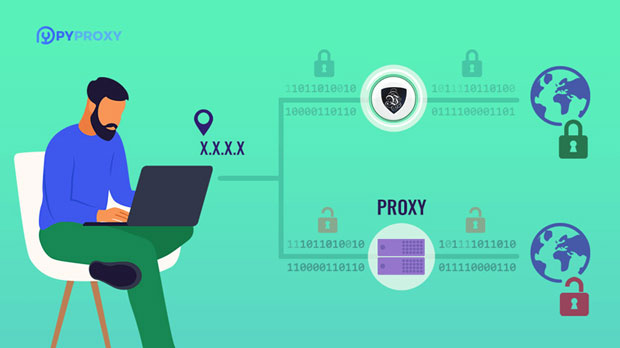
Data center proxies are IP addresses generated in data centers rather than residential networks. These proxies provide high-speed connectivity and reliability, which is crucial for large-scale website management tasks. PyProxy is a Python-based proxy management tool that allows automated rotation and scheduling of these proxies. By combining PyProxy with data center proxies, organizations can distribute web requests across multiple IP addresses, significantly reducing the risk of IP blocking and improving data retrieval efficiency.

Key advantages of using PyProxy with data center proxies include:

- High-speed connections suitable for mass data scraping and monitoring.

- Scalability for handling large volumes of requests.

- Flexibility in rotating IP addresses to avoid detection.

Setting Up PyProxy for Efficient Website Management

Implementing PyProxy begins with installing the tool and configuring the proxy list. The configuration involves specifying proxy addresses, ports, and authentication details if required. For optimal performance, it is essential to categorize proxies by reliability, speed, and geographical location. This ensures requests are routed efficiently and target websites experience minimal load delays.

Steps for setup include:

1. Installation of PyProxy via Python package manager.

2. Preparing a verified data center proxy list.

3. Configuring the rotation schedule according to website traffic patterns.

4. Testing proxies to ensure functionality before large-scale deployment.

Optimizing Proxy Rotation Strategy

The efficiency of website management depends heavily on how well proxies are rotated. PyProxy provides dynamic rotation strategies, such as round-robin, random selection, and conditional rotation based on response codes.

Best practices for proxy rotation:

- Rotate IPs frequently to prevent bans from high-security websites.

- Monitor response times and replace slow or blocked proxies promptly.

- Adjust rotation frequency according to website sensitivity and request volume.

- Implement error handling to automatically retry failed requests using alternative proxies.

By optimizing rotation strategies, organizations can maintain uninterrupted operations while minimizing the risk of IP blacklisting.

Enhancing Data Collection and Automation

Effective proxy management directly impacts data collection efficiency. With PyProxy, automated scripts can access multiple websites simultaneously, extracting critical information such as pricing, product availability, and competitor analytics. Data center proxies ensure that these requests appear legitimate and distributed, reducing the likelihood of throttling or blocking.

Practical tips for enhancing automation:

- Integrate PyProxy with web scraping frameworks for seamless data extraction.

- Schedule data collection tasks during off-peak hours to maximize speed.

- Combine multiple proxy rotation patterns to simulate human-like browsing behavior.

Security and Compliance Considerations

While using data center proxies improves efficiency, organizations must remain vigilant about security and compliance. Rotating IPs help mask activity, but sensitive data and access credentials should be encrypted. Additionally, businesses should ensure that proxy usage complies with the terms of service of the target websites and relevant legal regulations.

Security strategies include:

- Encrypting proxy authentication credentials.

- Logging all proxy usage for audit purposes.

- Regularly updating proxies to avoid known blacklists.

Real-World Applications and Benefits

Using PyProxy with rotating data center proxies can transform website management practices across industries:

- E-commerce companies can monitor competitor pricing dynamically.

- Marketing agencies can track brand visibility and ad placements efficiently.

- Research teams can collect large datasets for analytics without interruption.

- IT departments can test website performance from multiple locations simultaneously.

The tangible benefits include improved operational speed, reduced risk of IP bans, and enhanced reliability of automated systems, ultimately contributing to cost savings and better decision-making.

Implementing PyProxy with rotating data center proxies offers a strategic advantage for efficient website management. By carefully setting up, optimizing rotation strategies, and maintaining security compliance, organizations can streamline data collection, automate repetitive tasks, and gain actionable insights. This approach not only reduces operational risks but also enhances overall productivity, making it an indispensable tool for modern digital operations.

Related Posts

Clicky