Your form has been submitted. We'll contact you in 24 hours.
Close
Home/Blog/Are Oxylabs proxy residential IPs suitable for big data collection?
Are Oxylabs proxy residential IPs suitable for big data collection?
PYPROXY·Aug 13, 2025
When discussing big data collection, the importance of proxies cannot be overstated. A proxy serves as an intermediary between a data collector and the target websites, ensuring anonymity and bypassing geographical restrictions. Oxylabs is a well-known provider of proxy services, particularly their residential IPs. This raises the question: is Oxylabs' residential IP a good choice for big data collection? The short answer is yes, but let's explore the reasons why and how it can significantly enhance your data-gathering efforts.
The Importance of Proxies in Big Data Collection
Big data collection involves gathering vast amounts of information from multiple sources, often from various locations across the globe. This data is crucial for businesses, researchers, and marketers who need to make informed decisions. However, gathering this data is not without challenges. One of the biggest obstacles is ensuring that the data collection process remains undetected and unblocked by the target websites. This is where proxies come into play.
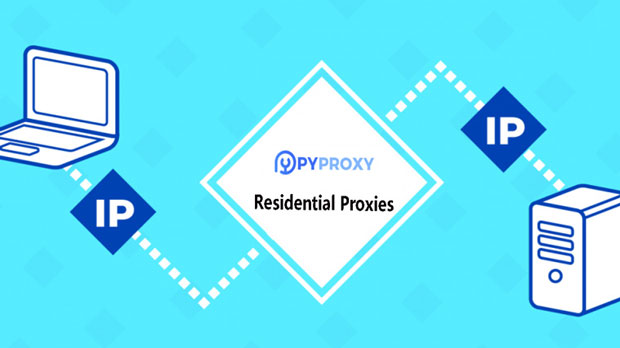
Proxies act as a bridge between the data collector and the websites from which the data is being scraped. By using proxies, collectors can mask their IP addresses and distribute requests across multiple addresses, making it harder for websites to detect or block their activities. In the context of big data, proxies ensure that large volumes of data can be gathered without interruption.
What Are Residential IPs?
Residential IPs are a type of proxy that utilizes IP addresses assigned to real residential addresses. Unlike data center IPs, which come from servers in data centers, residential IPs are harder to detect as they appear as normal internet users to websites. Residential IPs provide a higher level of anonymity, as they mimic genuine traffic from everyday users, making them highly effective for tasks such as web scraping and data harvesting.
Oxylabs offers residential ip proxies that are perfect for large-scale data collection, and their service is known for its reliability and broad coverage. Now, let's analyze why Oxylabs' residential IPs are particularly suitable for big data collection.
Why Oxylabs Residential IPs Are Ideal for Big Data Collection
1. Large Pool of IP Addresses
Oxylabs provides access to a massive pool of residential IPs, numbering in the millions. This is crucial for big data collection, as it allows for a distributed approach to web scraping. The larger the pool of IPs, the less likely a website is to block or throttle requests. With Oxylabs, users can rotate through a variety of IP addresses to ensure continuous data gathering without hitting any blocks.
2. High Success Rate for Web Scraping
The main objective of using proxies for big data collection is to avoid detection and blocking. Oxylabs’ residential IPs are designed to mimic real user behavior, which makes it difficult for websites to differentiate between legitimate users and scraping bots. This feature significantly increases the success rate of web scraping efforts, as websites are less likely to flag requests as suspicious.
3. Geo-targeting Capabilities
One of the major benefits of Oxylabs' residential IPs is their ability to target specific geographic regions. In big data collection, it’s often necessary to gather data from multiple locations around the world. With Oxylabs, users can choose IPs from specific countries, cities, or even neighborhoods. This ability to geo-target is crucial for tasks such as price comparison, local market research, and sentiment analysis across various regions.
4. High-Speed Data Collection
While the volume of data is a critical aspect of big data collection, speed is equally important. Oxylabs’ residential IP proxies are optimized for high-speed connections, ensuring that large-scale data can be collected quickly without delays. This is essential for industries such as finance and e-commerce, where real-time data collection and analysis are key to maintaining a competitive edge.
5. Bypassing Website Blocks and CAPTCHAs
Many websites employ anti-scraping measures such as IP blocking, CAPTCHAs, and rate limiting to protect their data. Residential IPs from Oxylabs are effective at bypassing these restrictions. Since the IPs appear to come from regular users, they can circumvent common anti-bot measures, making them highly useful for big data collection tasks that involve scraping data from websites with strict security.
Challenges of Using Residential IPs
While Oxylabs' residential IPs are a powerful tool for big data collection, there are some challenges that users need to be aware of.
1. Cost
residential proxies are generally more expensive than data center proxies due to their higher quality and the fact that they come from real residential addresses. As a result, users looking to collect large amounts of data may face higher operational costs. However, for tasks that require high anonymity and reliability, the cost is often justified.
2. Limited Bandwidth
Another challenge of using residential IPs is the potential for limited bandwidth. Since these IPs are typically shared among multiple users, the speed and performance can sometimes vary. Users need to manage their expectations and plan accordingly, especially for data collection tasks that require a high volume of data in a short period.
3. Potential Ethical and Legal Concerns
While proxies are an effective tool for data collection, it's important to note that scraping data from websites without permission can raise ethical and legal concerns. Users should ensure they are in compliance with data privacy laws, such as GDPR, and respect the terms of service of the websites they are collecting data from.
Conclusion: Is Oxylabs Residential IP Suitable for Big Data Collection?
In conclusion, Oxylabs’ residential IP proxies are an excellent choice for big data collection. Their large pool of IPs, high success rates, geo-targeting capabilities, and ability to bypass anti-scraping measures make them an ideal solution for businesses and researchers looking to gather data on a large scale. While there are some challenges, such as higher costs and potential bandwidth limitations, the benefits far outweigh the drawbacks for most big data collection tasks.
For those looking to ensure reliable, scalable, and efficient data collection, Oxylabs’ residential IP proxies are a solid investment.